
















When an emergency strikes — whether a fire, flood, or sudden structural failure — the ability to evacuate patients safely and quickly is critical. Yet many healthcare facilities underestimate the importance of having the right evacuation equipment in place until it is needed most.
Unlike office buildings or retail environments, healthcare settings present unique challenges: patients who are immobile, post-operative, sedated, or reliant on equipment cannot simply walk out of a building. This is why purpose-built evacuation equipment exists — and why selecting the correct type for your environment is a clinical and legal responsibility.
In this guide, we explore the main categories of evacuation equipment available in healthcare settings, including evacuation sledges, evacuation chairs, portable stretchers, and fire evacuation sheets — covering how each works, when to use them, and what to consider when making your choice.
Why evacuation equipment matters in healthcare
Healthcare providers have a duty of care to every patient and visitor on their premises. Under UK fire safety legislation, including the Regulatory Reform (Fire Safety) Order 2005, healthcare organisations are required to have an adequate emergency evacuation plan in place — one that accounts for individuals who cannot self-evacuate.
Beyond compliance, the human stakes are high. Delays in patient evacuation can result in serious injury or death. The right evacuation equipment not only speeds up the process but also reduces the risk of injury to both patients and the staff assisting them — particularly important where manual handling risks are concerned.
Understanding the different types of evacuation equipment available is the first step to building an effective, site-specific emergency plan.
1.Evacuation Sledges

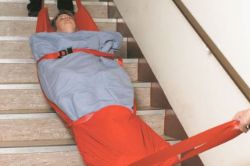
Evacuation sledges — sometimes referred to as evacuation sleds or mattresses — are one of the most versatile forms of evacuation equipment available in healthcare environments. Designed to slide patients smoothly down stairways without the need to lift them, they are particularly well-suited to hospitals, care homes, and any multi-storey facility.
- Bariatric Evacuation Sledges: Designed for larger patients, these sledges feature reinforced materials and wider foam layers to provide comfort and stability.
- Compact Evacuation Sledges : Lightweight and foldable, perfect for smaller spaces or quick deployments.
- Emergency Evacuation Sledges : Supplied with storage bags and foot pouches, these sledges are ready for immediate use in emergency situations.
Evacuation sledges can be operated by one or two staff members, depending on the design, and many are designed for stairs, corridors, and flat surfaces.
2.Evacuation Chairs
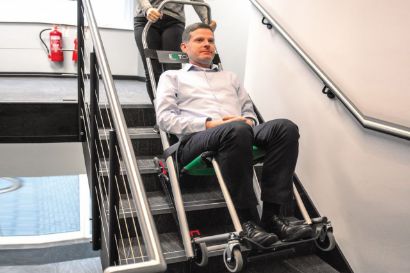
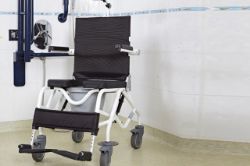
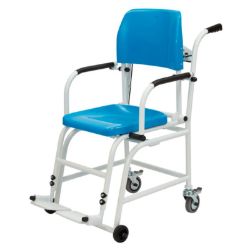
Evacuation chairs are essential for safely moving patients or visitors down stairs. These chairs are designed for both comfort and security, often including:
- Four-point harnesses or safety belts to secure the patient
- Cushioned armrests and back support
- Special stair-blade tracks for smooth stair descent
Some popular models include:
- Elite MKII Evacuation Chair EMVE : Features cushioned seating, a four-point harness, and a rear push bar, making it ideal for both stairs and corridor transport.
- Versa MKII Evacuation Chair EMV : Equipped with patented Freewalk technology and rapid descent mechanisms, designed for single-operator use and enhanced manoeuvrability.
Evacuation chairs are particularly useful in multi-storey buildings where elevators cannot be used during emergencies.
3. Portable Stretchers
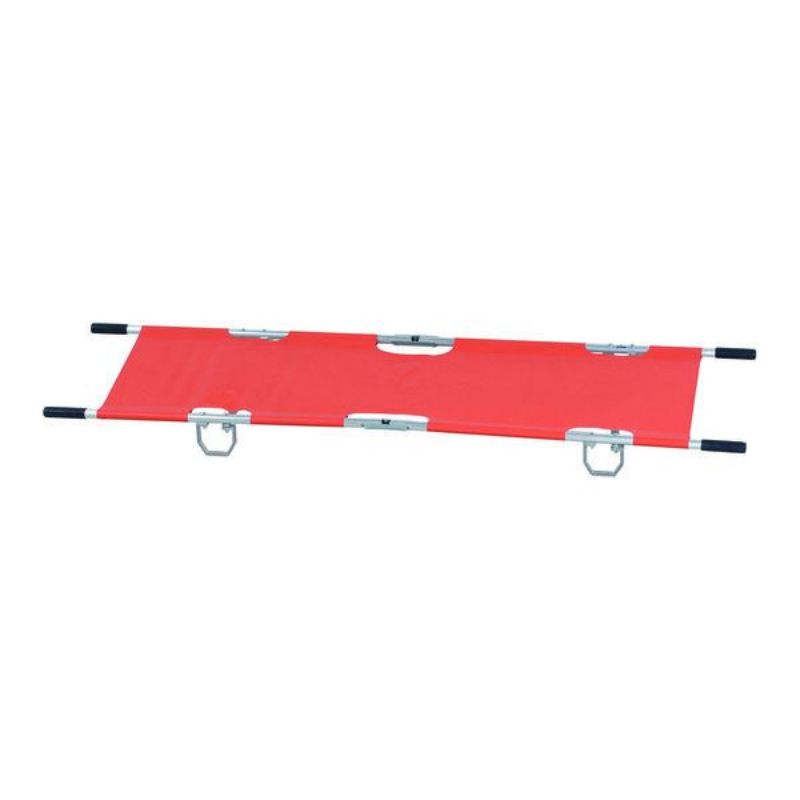
Portable stretchers are versatile, lightweight solutions for moving patients quickly, either in emergency scenarios or first aid situations. Key features of portable stretchers include:
- Foldable designs for easy storage and transport
- Lightweight aluminium frames with cushioned support
- Carry handles and protective feet to prevent contact with the floor
Models like the STR01 Portable Stretcher are ideal for ambulances, first aid rooms, and industrial or retail environments, providing rapid patient transport without compromising safety.
4. Evacuation Sheets

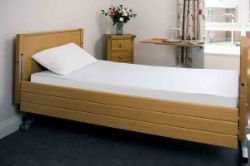
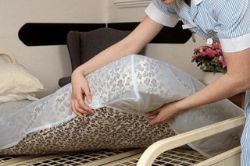
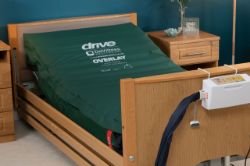
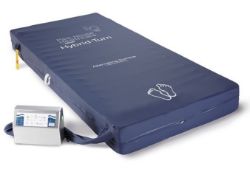
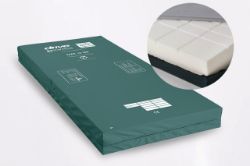
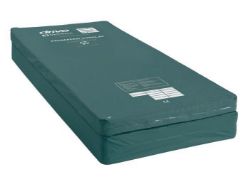
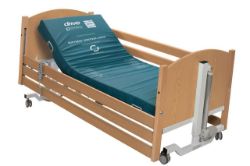
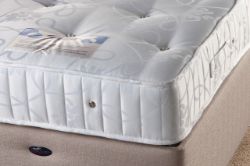
Evacuation sheets offer a fast and simple way to move patients directly from the bed in an emergency. Designed to be permanently fitted beneath an anti-pressure mattress, they attach securely using strong elastic fixings so they are always ready for use. Each sheet includes safety belts to secure the patient and sturdy pull straps at both ends, allowing staff to carry out safe and efficient evacuations when needed.
Why Evacuation Equipment is Critical in Healthcare
Healthcare facilities face unique challenges during emergencies: patients may have limited mobility, multiple floors may need evacuation, and staff need reliable equipment to act quickly. Having the right evacuation equipment ensures:
- Patient safety and comfort
- Faster evacuation times
- Reduced risk for staff during emergencies
- Compliance with safety regulations
Choosing the Right Evacuation Equipment
When selecting evacuation equipment for your healthcare facility, consider:
- The types of patients or residents you care for
- The building layout, including stairs and corridors
- Weight capacities and safety features of each device
- Ease of storage and accessibility during emergencies
At Healthcare Direct, we provide a wide range of options, including evacuation sledges, evacuation chairs, and portable stretchers, all designed to meet the needs of modern healthcare environments.
Conclusion
Investing in high-quality evacuation equipment is essential for any healthcare facility. Whether you need a sturdy bariatric evacuation sledge, a versatile evacuation chair, or a compact portable stretcher, having the right tools can make all the difference in an emergency.
Visit Healthcare Direct to explore our full range of evacuation equipment and ensure your facility is prepared for any situation.
📞 020 8236 0060 🛒 Shop Our Evacuation Equipment
Email: [email protected]
Healthcare Direct Ltd
Care House, Chester Road,
Borehamwood, Herts, WD6 1LP